 Norberto Viale

This below will surely sound familiar to you…
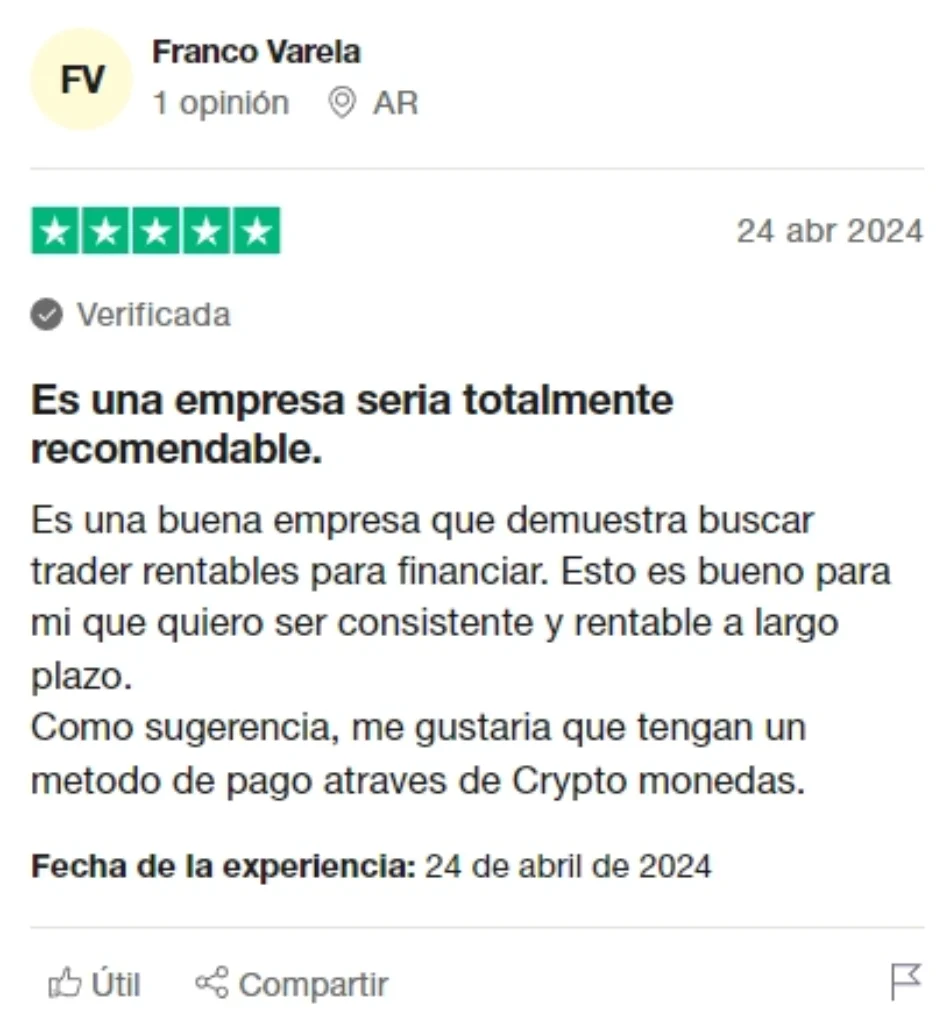
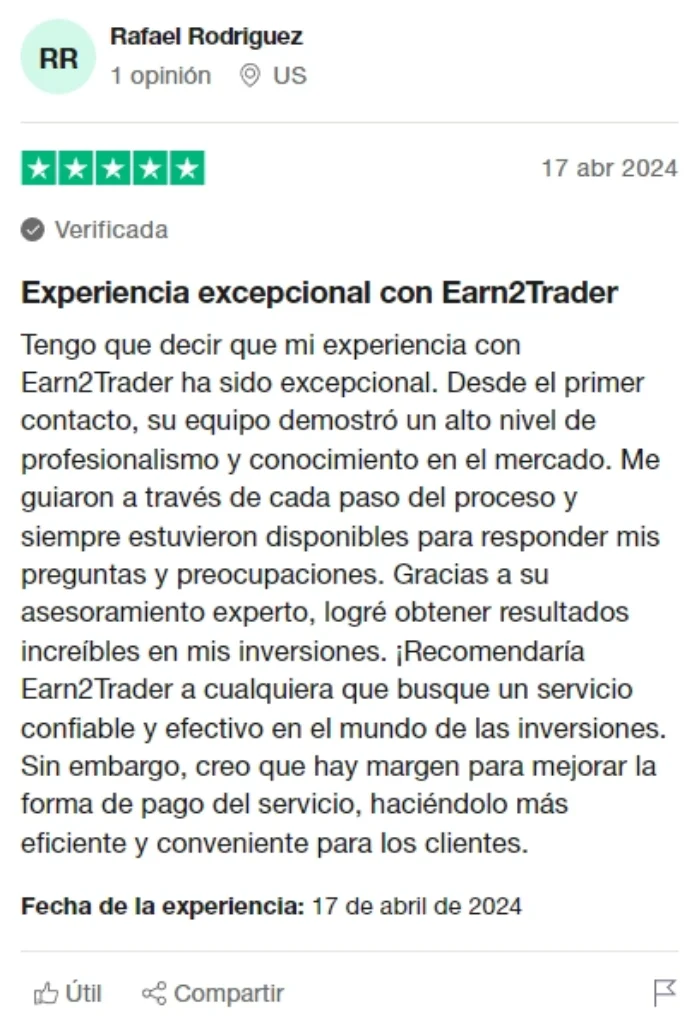
People who pass their funding test and make withdrawals.
In the screenshots they are talking about Earn2trade , one of my favorite funding companies
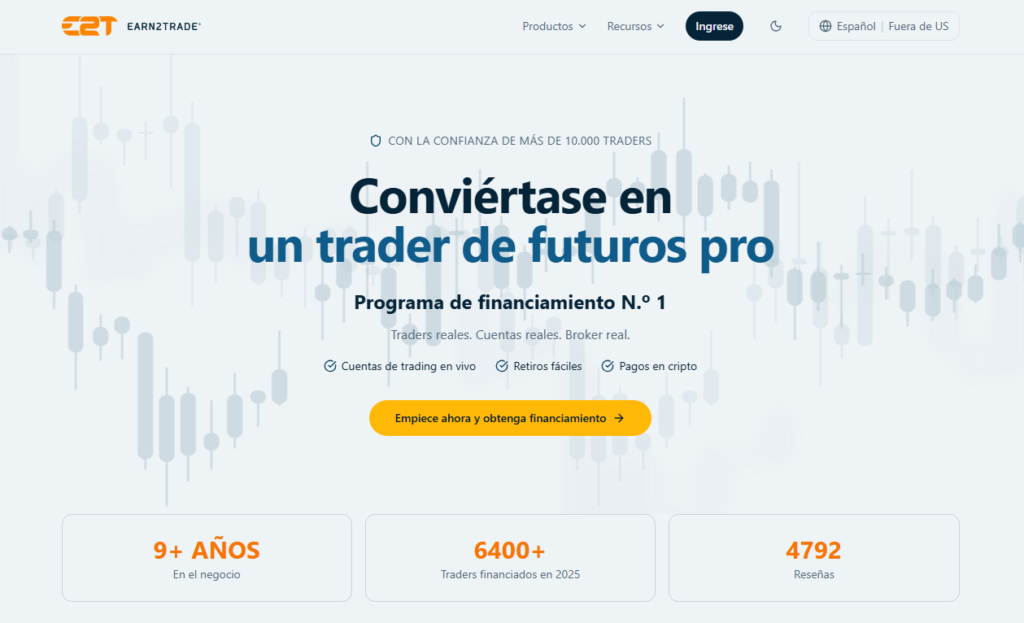
Here's some more info about the company…
- Earn2trade Review
- More information: www.earn2trade.com
But today I won't tell you how funding companies work ... there are already articles about that on this website ( Which funding company can I trust? ). This article is somewhat different.
This time things will be much more practical.
We're going to interview a trader who has more than 20 accumulated funding accounts.
Let's see if we learn something 🙂
The expert opinion of a trader who only trades with funded accounts (MINI INTERVIEW)
Mini-interview with Cristian, a trader from Ferran Font 's school . WHAT WAS YOUR MAIN CHALLENGE WHEN PASSING THE FUNDING ASSESSMENT AND HOW DID YOU OVERCOME IT?
When I started applying for funding assessments, I thought the hardest part would be the rules: loss limits, targets, loss limit regulations… But over time I discovered that the real challenge wasn't there. The biggest challenge was “the days of doing nothing.”.
In trading, unlike other jobs, there are days when the best decision is to do nothing: wait, don't force entries. At first, this was unbearable for me; my mind would search for patterns where there were none and try to justify nonexistent trades.
I understood it when I accepted that patience is also an operation and that, in this world, it is what ends up paying the trader.
The other major obstacle was learning to lose: putting your ego aside and accepting that, even when giving 100%, there will be bad days. Managing a day where you not only don't win, but end up losing money, is like leaving work and owing your boss money. Hard to swallow.
But therein lies the key: learning to accept the inevitable.
"Days of doing nothing" and "days of losses" are not enemies; they are part of the path to consistency. Over time, you stop fighting them and understand that your system, if solid, will eventually manifest itself in a positive way.
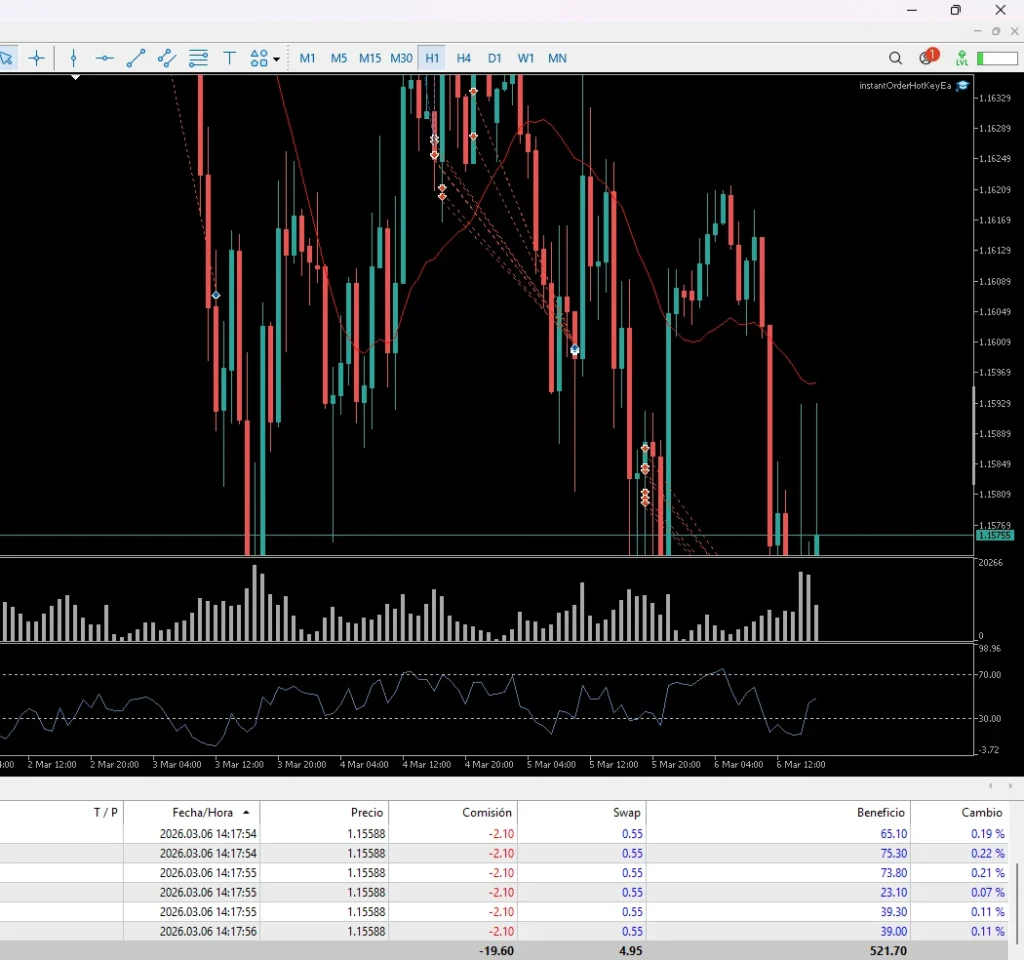
Of all the rules of a funded account, which did you find most difficult to manage, and what strategy did you use to adapt?
When we talk about funded accounts, we think of rules like not exceeding the maximum loss limit, meeting targets, or maintaining consistency. But for me, the most difficult rule isn't in any contract; it's learning to manage the enormous leverage they give you.
For example:
In my favorite valuation, the $50k one, the reality is that you don't have $50,000 to lose. Your actual margin is between $2,000 and $2,500 of maximum loss. That's the true value of your account.
The problem is that, at the same time, they allow you to open a huge number of contracts. If you jump in recklessly and the trade goes wrong, you can lose your account in minutes or even seconds.
That's why the real rule is to find your own "right leverage": that point where you respect the real risk of the account without being fooled by the apparent size.
Each evaluation has its own pace, and your mission is to adapt. You'll need more leverage during the evaluation, but in your live account, you'll have to reduce it or diversify across multiple accounts to avoid burning through them.
IF YOU HAD TO GIVE JUST ONE PIECE OF ADVICE TO SOMEONE JUST STARTING THEIR JOURNEY TOWARDS FUNDING, WHAT WOULD IT BE?
If I had to give just one piece of advice, it would be this: don't start trading looking to make a living from it.
He who acts out of necessity, inevitably loses. And that is the truth that many do not want to hear.
When your income depends on the market, you enter the market with pressure, anxiety, and fear of losing.
And those emotions are poison for any trader.
Therefore, start with another stable source of income.
Free yourself from need, operate with a cool head.
Trading is not a sprint, it's a marathon.
HOW HAS YOUR TRADING STYLE EVOLVED SINCE YOU HAVE A FUNDED ACCOUNT? WHAT KEY CHANGES HAVE YOU IMPLEMENTED?
The biggest change since I started trading with funded accounts isn't in my system, my indicators, or my entries, but in my peace of mind.
Before, when I risked my own capital, the nights were different. Even if the plan was sound, there was always that weight on my mind: "If I fail, it's my money that's at stake.".
I sleep soundly tonight. I work with accounts where the main risk doesn't come out of my own pocket. Yes, you have to give 10% or 20% to the company, but what you get in return is much more valuable: peace of mind.
Because in trading, the most important thing is not just winning, but being able to live and trade without fear.
You might also be interested in
HOW TO START INVESTING IN THE STOCK MARKET?

REVIEWS OF 5 POPULAR FUNDING COMPANIES AMONG TRADERS (ONE VERY BAD)
Rules, costs, and the fine print. What users are saying

TIPS FOR PASSING A FOOTING TEST
Practical tips to reduce your losses and improve your performance…