

How trading works and what to look for before trading
If you've ever seen a chart move as if it had a life of its own and thought, "Okay, but... what am I looking at exactly?", this guide is to sort out the map before you risk real money.
Vantage stands out as a recommended option for getting started with Forex, cryptocurrencies, and derivatives on MT4/MT5. Before trading, always review regulations, terms, and risks.
Trading has a reputation for being only for people with giant screens, three monitors, and cold coffee. But that's not the case. It's actually quite simple to define. Doing it well is another matter entirely.
Trading is buying and selling financial assets with the goal of profiting from price movements that can last from seconds to weeks. You can make money, yes. You can also lose it, usually faster than people realize.
Trading is not long-term investing
I want to participate in the growth of an asset over years
Fewer trades, more patience, more focus on fundamentals, diversification, and time in the market.
I want to exploit a specific price movement
Planned entries and exits, risk control per operation, timing, and more emotional impact.
The key: trading isn't about always being right. It's about knowing how much you lose when you're wrong, where to exit, and how to execute without improvising.
 Featured broker
Vantage: my choice to start trading
I like Vantage for trading Forex, cryptocurrencies and derivatives, especially if you want to use platforms like MT4 or MT5 and value support in Spanish.
Where can you trade?
Which style suits you?
Seconds to minutes.
Minutes to hours.
Days to weeks.
What you should look at before opening an account
Don't choose based on an advertisement. The broker is your gateway to the market. If the gateway is bad, your strategy starts off on the wrong foot.
What breaks accounts the most
Having no plan
Entering impulsively and leaving out of fear is usually the classic recipe for not knowing what you're measuring.
Move the stop
A stop loss is useless if you decide to change the rule every time the price approaches.
Overleverage
You want the gain to be noticeable, but usually the loss is noticed first.
Operate excitedly
Revenge, euphoria, and FOMO are terrible risk managers.
Do not record anything
If you don't measure your trades, you don't know if you have an advantage or just a winning streak.
Change every week
You don't give any strategy time to prove whether it works or not.
Is it possible to make a living from trading?
Yes, but it's difficult. Much more difficult than watching YouTube videos, copying trades, or buying an indicator that promises too much.
To make a living from trading you need several things at once
- Real education, not just random videos.
- A system with an advantage.
- Emotional control when bad times come.
- Sufficient capital to make the risk worthwhile.
- Ability to follow rules even when the market tempts you.
That's why many end up trading part-time. And it makes sense. For many people, combining work, long-term investing, and trading with a limited portion of their capital is more realistic than trying to live exclusively from trading.
How would I start today?
My practical recommendation: start with a demo account using Vantage if you want to familiarize yourself with Forex, cryptocurrencies, derivatives, and platforms like MT4 or MT5 before investing real capital.
Frequently Asked Questions about Trading
What is the difference between trading and long-term investing?
Trading involves buying and selling assets in the short or medium term to try to profit from specific price movements. Long-term investing, over 10 to 20 years, aims to participate in an asset's growth over several years, with fewer trades and more patience.
Why is trading not just about guessing whether the price will go up or down?
Because the key isn't always being right, but managing risk when you're wrong. A trader needs to know how much they can lose per trade, when to exit, and how to execute their plan without improvising. In trading, it's impossible to avoid mistakes; the important thing is to earn more when you're right than you lose when you're wrong.
In which markets can you trade?
You can trade in Forex, stocks, indices, commodities such as gold or oil, and cryptocurrencies.
Which broker do you use for trading?
I like Vantage for trading Forex, cryptocurrencies and derivatives, especially with platforms like MT4 or MT5.
What should I look at before choosing a trading broker?
It's worth reviewing regulations, commissions, spreads, platforms, and offered assets. I personally prioritize excellent customer service, and even better if it's in Spanish.
Which trading style requires the fastest execution?
Scalping is often the most demanding trading style in terms of execution because it involves trades that typically last only minutes. The targets are small, and the entries are frequent.
What is the difference between scalping, day trading, and swing trading?
Scalping seeks very rapid price movements, lasting from seconds to minutes. Day trading opens and closes positions within the same day. Swing trading holds positions for days or weeks, with less intraday stress and greater tolerance for pullbacks.
How much approximate capital do I need to do day trading?
For day trading, I recommend a guideline range of 1,000 to 25,000 euros, depending on the market, the product used, the commissions, the leverage, and the strategy.
Is it possible to make a living from trading?
Yes, but it's difficult and requires much more than watching YouTube videos or copying trades. To make a living from trading, you need real education, a system with an edge, emotional control, and sufficient capital.
Why do so many traders end up trading part-time?
Because making a living from trading requires capital, time, emotional control, and constant market monitoring. For many people, combining a job with part-time trading can be more realistic than trying to live exclusively from trading.
Who wrote this guide?
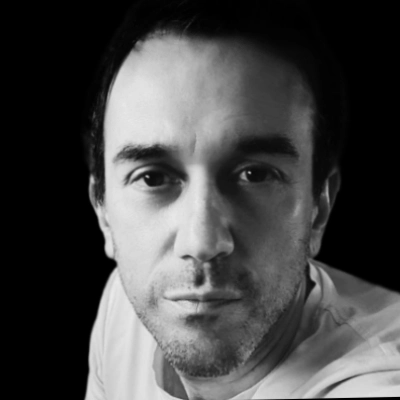
My name is Norberto. I've been investing and trading for over a decade. I'm also the author of the Topstep Experience trading course. If you want to learn how to invest and have any questions, feel free to contact me.









Can a bot be used for trading?
Hello,
Yes, of course. There are many traders who use bots. The secret is having a system comprised of several bots that activate and deactivate depending on market conditions and employ different strategies. In other words, you need to know what you're doing; it's not as simple as buying a bot and setting it to trade.
Greetings