
Forex trading involves the global exchange of currencies. Through this activity, both individuals and companies seek to profit by speculating on fluctuations in currency prices.
This article will guide you through the basics of the Forex market, how it works, and the most important elements to consider if you want to start trading in this financial environment.
What is Forex?
Definition of Forex
The Forex market, or foreign exchange market, is a global system for exchanging currencies. Unlike the stock exchange, where company shares are bought and sold, Forex involves trading currencies. This market is known for its high liquidity and for being the largest in the world in terms of trading volume.
Importance of Forex in the global economy
Forex is crucial to the global economy because:
- It facilitates international trade.
- It allows companies to convert currencies to do business in other countries.
- It helps investors diversify their portfolios.
💬 Join the Experiencia Topstep Community on Discord
Focus on execution and management, no fluff. My trading strategy explained with examples.
🚀 Join the DiscordHow the foreign exchange (Forex) market works
Supply and demand in Forex
The foreign exchange market is based on supply and demand. This means that the price of a currency rises or falls depending on how many people want to buy or sell it.
Forex market participants
In the Forex market, there are different types of participants:
- Central banks: They control a country's monetary policy.
- Commercial banks: They facilitate foreign exchange transactions.
- Institutional investors: They invest large sums of money.
- Individual traders: Like you, who trade with smaller amounts.
Each of these participants plays an important role in how the market moves.
Factors that influence currency prices
Currency prices fluctuate due to several factors, including:
- Interest rates: Central bank decisions on interest rates can influence the strength of a currency.
- Economic activity: Economic indicators such as GDP, inflation, and unemployment affect the perception of a country's economic health.
- Political decisions: Political stability and monetary policies also play a crucial role.
- Supply and demand: As in any market, the supply and demand of a currency determine its price.
Forex market hours
The Forex market is open 24 hours a day, meaning you can trade at any time. Here's a summary of the trading hours:
| City | Opening Hours | Closing Time |
|---|---|---|
| Sydney | Monday 5:00 AM | Monday 2:00 PM |
| Tokyo | Monday 7:00 AM | Monday 4:00 PM |
| London | Monday 8:00 AM | Monday 5:00 PM |
| New York | Monday 1:00 PM | Monday 10:00 PM |
Major currency pairs in Forex
When you delve into the world of Forex, it's crucial to understand the different currency pairs you can trade. Trades are always done in pairs, meaning you're comparing the value of one currency to another. Here's an explanation of the most common types:
Major pairs
These are the most popular and where most trading takes place. Some examples are:
- EUR/USD (Euro/US Dollar)
- GBP/USD (British Pound/US Dollar)
- USD/JPY (US Dollar/Japanese Yen)
- USD/CHF (US Dollar/Swiss Franc)
Minor pairs
These pairs do not include the US dollar and are traded less frequently. Some examples are:
- AUD/NZD (Australian Dollar/New Zealand Dollar)
- EUR/DKK (Euro/Danish Chou)
- GBP/JPY (British Pound/Japanese Yen)
Exotic pairs
These are less common and tend to have less liquidity. They are formed by a major and a minor currency pair. Examples include:
- GBP/MXN (British Pound/Mexican Peso)
- USD/HUF (US Dollar/Hungarian Forint)
- USD/ZAR (US Dollar/South African Rand)
How to trade Forex
Basic concepts of trading
Trading Forex is easier than it seems. But first, you need to understand some basic concepts such as:
- Currency pair: This is the relationship between two currencies. For example, in the EUR/USD pair, the euro is compared to the US dollar.
- Pips: It is the unit of measurement used to express the change in the value of a currency pair.
- Forex brokers: These are the platforms where you can buy and sell currencies. It's important to choose one that is regulated and trustworthy.
Click here to find the best brokers for investing in Forex
Trading in the Forex market involves the following steps:
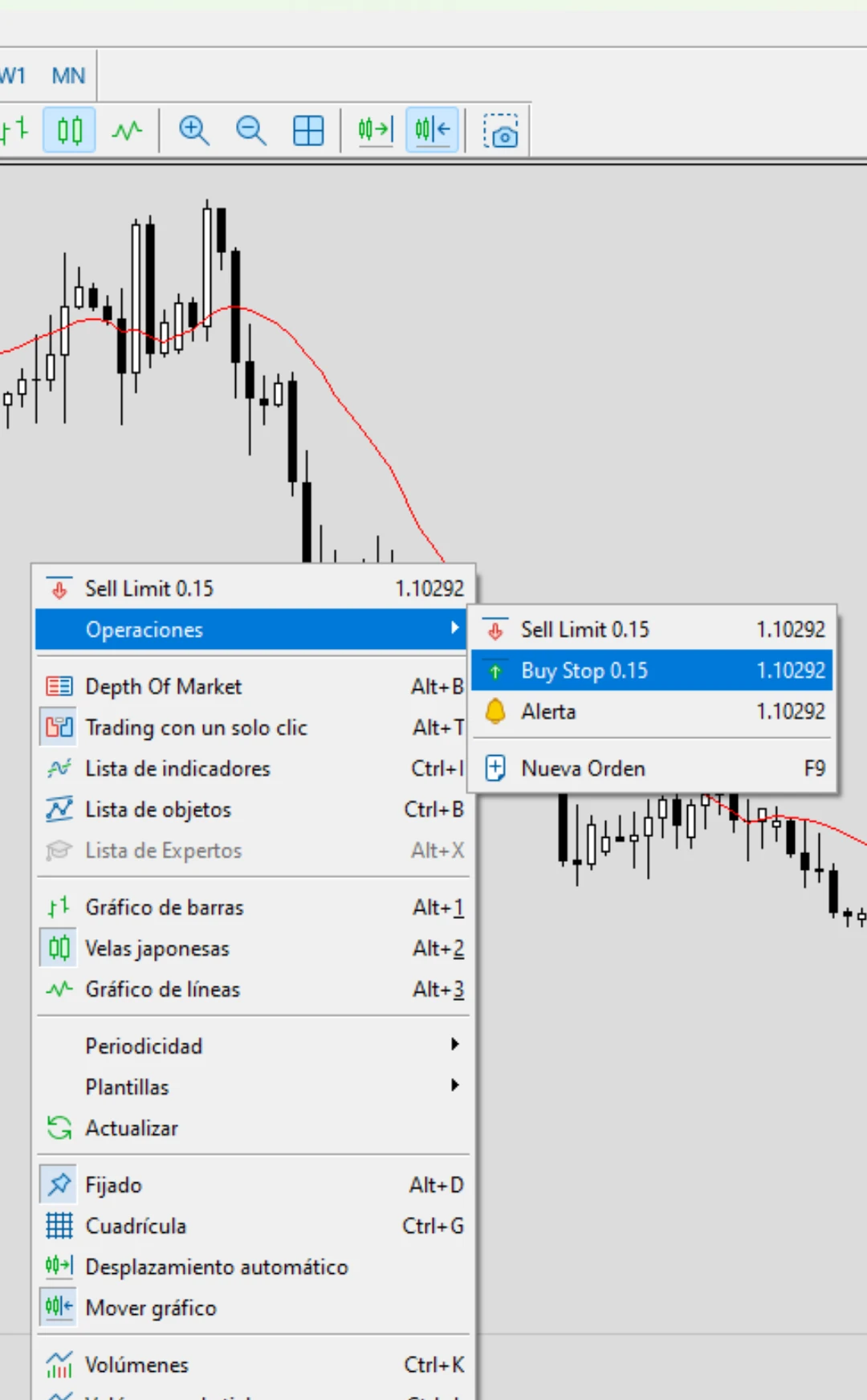
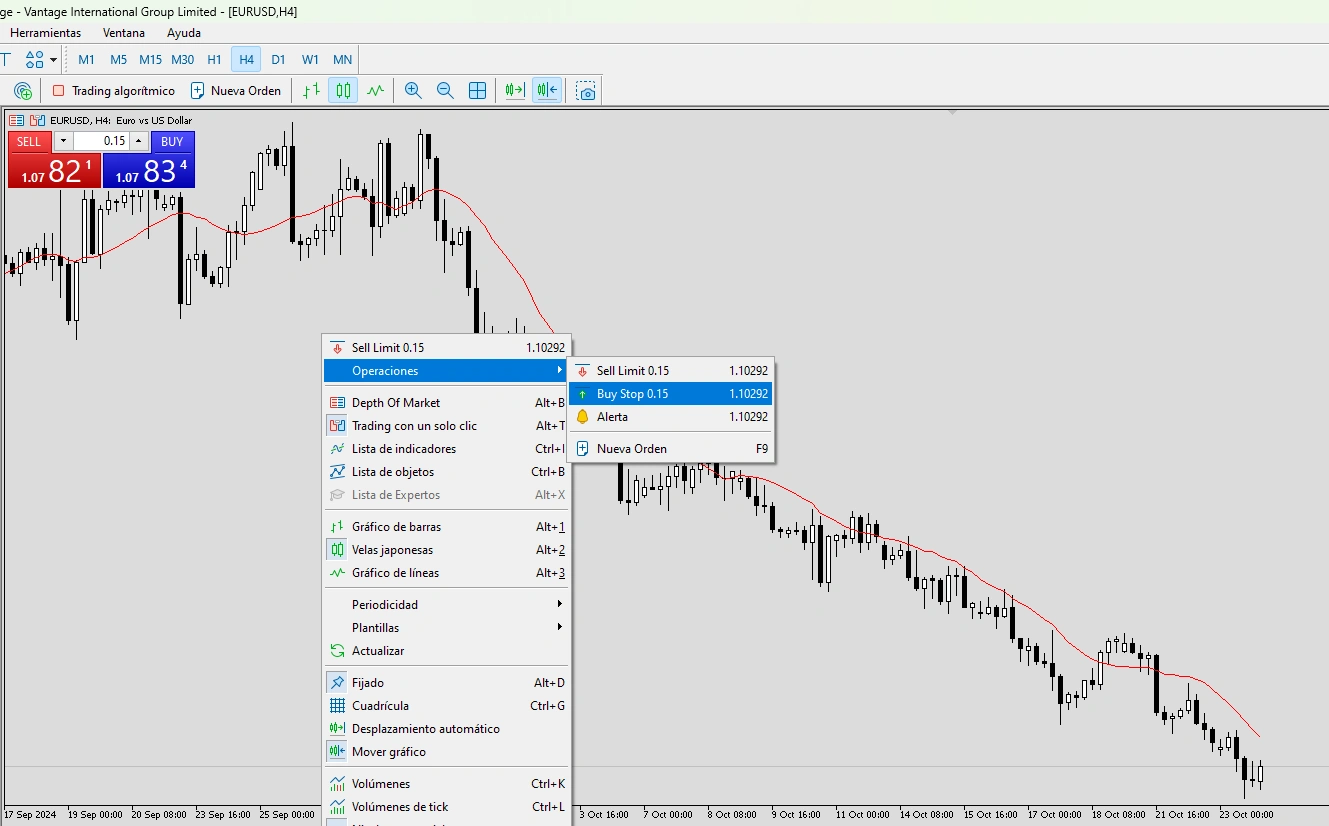
- Open a trading account: Register with a reliable Forex broker and download the trading platform (such as MetaTrader).
- Market analysis: Uses technical and/or fundamental analysis to determine the potential direction of a currency.
- Choosing the currency pair: Decide which pair to trade (e.g., EUR/USD) based on your analysis.
- Open position: Select 'buy' if you think the currency value will increase, or 'sell' if you think it will decrease.
- Set a stop-loss and take-profit: To manage risk, define loss limits and profit targets.
- Monitor the operation: Watch the market and close the position when you reach your goals or if conditions change.
Tools needed to start trading in Forex
There are several tools that will help you get started:
- Trading platforms: MetaTrader is one of the most popular trading platforms among Forex traders. Many brokers offer it; some of the best-known include Vantage, AvaTrade, and IC Markets.
- Economic calendars: To stay informed about events that may influence the market.
- Demo accounts: To practice without risking real money. You can open a demo account with any of the brokers mentioned.
Risks and benefits of Forex trading
Common risks in Forex
Forex trading can be very lucrative, but it also has its risks. Here are some of the most common ones:
- Capital loss: Since Forex trading is leveraged, you can lose all your money if you are not careful.
- Closing positions: If the market moves quickly and you don't have enough money in your account, your platform can automatically close your positions.
- Volatility: Prices can change rapidly, which can cause your orders to be executed at undesirable prices.
Advantages of the Forex market
Despite the risks, Forex trading also has its advantages:
- High liquidity: You can easily buy and sell currencies.
- 24/5 Access: You can trade at any time, from Sunday to Friday.
- Diversity of pairs: There are more than 300 currency pairs to choose from.
- Fast execution: Unlike the stock market, where transactions can take time, in Forex trades are executed in milliseconds.
- Low transaction costs: Forex is the world's largest market, allowing for smaller differences between buy and sell prices.
- Access to key information: Traders can easily access economic data that affects currency values.
- Short selling: Unlike other markets, in Forex you can profit from falling prices.
- Leverage: Allows you to trade with larger volumes than you have in your account, although it carries risks.
The role of central banks in Forex
Influence of monetary policies
Central banks are like the captains of a ship in the sea of Forex. Their monetary policy decisions can cause currencies to rise or fall. This includes things like adjusting interest rates, which directly affect a currency's value. When a central bank raises interest rates, the currency tends to strengthen because it becomes more attractive to investors.
Tips for beginners in Forex
Education and training
If you want to get started in Forex, the first thing you need is to learn. Don't jump in without knowing how to swim. This link will take you to a ranking of the best courses for Forex trading.
My recommended Forex course
FERRAN FONT: ORDER BOOK TRADING OUR CHOSEN ONE
Here are some key tips to get started with Forex trading:
- Educate yourself and practice first: Before risking your money, learn the fundamentals of the Forex market and use demo accounts to familiarize yourself with the tools.
- Manage your risk: Define how much you are willing to lose per trade and set a stop-loss order. Never risk more than 1-2% of your account on a single trade.
- Choose a reliable broker: Opt for one with a good reputation, that is regulated and offers trustworthy trading platforms.
- Have a trading plan: Define your strategy, your schedule, and your goals. Discipline is key.
- Stay up to date: Follow economic news and events that may impact the market, as Forex is sensitive to geopolitics and economic data.
Conclusion
The Forex market is a dynamic and complex environment that offers opportunities for traders of all levels. Understanding how it works and what factors influence price fluctuations is essential for anyone interested in participating in this market.
I think it's a very interesting market, and while it's true that I don't usually trade it, it's also true that there are many traders around the world who prefer it because of the opportunities it offers.
Bill Lipschutz, nicknamed 'The Sultan of Forex', made millions in the foreign exchange market and is one of the best-known Forex traders.
I hope you're the next sultan.
Frequently Asked Questions
What is Forex?
Forex is the market where currencies are bought and sold. It's a global marketplace where one currency can be exchanged for another.
How do you trade Forex?
Trading forex means buying and selling currency pairs to make money. The goal is to buy low and sell high.
What are the major currency pairs?
The most important currency pairs are EUR/USD, GBP/USD, and USD/JPY. These are the most traded in the market.
What risks are involved in Forex trading?
Forex trading can be risky. You can lose money if you don't understand the market well or if you don't use good strategies.
What is a demo account?
A demo account is a way to practice trading without risking real money. It allows you to learn and experiment in the market.
My name is Norberto. I've been investing and trading for over a decade. I'm also the author of the trading course Experiencia Topstep. If you want to learn how to invest and have any questions, feel free to contact me.
You might also be interested in
HOW TO START INVESTING IN THE STOCK MARKET?

FINANCIAL EDUCATION OF SPANIARDS
Financial education in Spain is far from ideal.

LEARN TO INVEST FROM SCRATCH THE EASY WAY
Learn about saving, investing, and financial management to achieve stability…