
En el mundo de las inversiones, existen dos enfoques principales para analizar el mercado y tomar decisiones: el análisis fundamental y el análisis técnico. Cada uno tiene sus propias características, ventajas y desventajas.
Warren Buffet utiliza análisis fundamental, mientras que Takashi Kotegawa usa análisis técnico, y ambos se han hecho millonarios gracias a sus inversiones. El secreto de estos inversores es que cada uno aplica el sistema que mejor va con su respectiva personalidad.
En este artículo, explicaré en detalle ambos métodos y te ayudaré a decidir cuál es el más adecuado para ti.
Resumen del artículo
- El análisis fundamental se centra en los datos financieros y económicos de una empresa para determinar su valor real.
- El análisis técnico utiliza gráficos y patrones de precios para predecir movimientos futuros del mercado.
- El análisis fundamental es más adecuado para inversiones a largo plazo, mientras que el análisis técnico se utiliza más para operaciones a corto plazo.
- Ambos métodos tienen sus ventajas y desventajas, y pueden complementarse entre sí.
¿Qué es el análisis fundamental?
Conceptos básicos
El análisis fundamental se trata de desentrañar los cimientos financieros de una empresa para entender su verdadero valor en el mercado. Lo que buscamos al hacer análisis fundamental es sumergirnos en la contabilidad de las empresas y valorar las mismas a través de su deuda, revenue, free cash flow, etc.
Dos formas muy populares de hacer análisis fundamental son el Value Investing y Growth Investing (¿Cuáles son los mejores cursos para hacer Value Investing?).
Factores clave en el análisis fundamental
Para realizar un análisis fundamental, se evalúan varios aspectos; aquí cito algunos de los principales:
- Datos financieros: Ingresos, ganancias, gastos, activos y pasivos.
- Algaunos ratios financieros utilizados son : PER, Free Cash Flow, EBITDA, ROE, etc.
- Factores macroeconómicos: Tasas de interés, tendencias económicas.
- Factores cualitativos: Gestión y cultura corporativa, posición en el mercado, innovación y sostenibilidad, análisis del management de la empresa, etc.
Ventajas y desventajas del análisis fundamental
Ventajas:
- Proporciona una visión a largo plazo de la empresa.
- Ayuda a identificar acciones subvaloradas con potencial de crecimiento.
- Ofrece protección contra la volatilidad del mercado.
Desventajas:
- Requiere mucho tiempo y esfuerzo para analizar todos los datos.
- No es útil para inversiones a corto plazo.
- Puede ser complicado para principiantes.
Ejemplo de análisis fundamental con Amazon
El análisis fundamental no solo se trata de números, sino también de entender el negocio detrás de las cifras. Esto nos permite evaluar no solo el valor actual de una empresa, sino también su capacidad para crecer y prosperar en el futuro.
¿Qué es el análisis técnico?
Principios del análisis técnico
El análisis técnico se fundamenta en la premisa de que todos los factores que pueden afectar el precio de un activo ya están reflejados en su gráfico. Esto incluye noticias, eventos y reportes financieros. La idea es que los patrones identificados en los gráficos reflejan la psicología colectiva del mercado, es decir, las emociones, expectativas y miedos de los inversores. De esta forma haciendo análisis técnico se pueden identificar patrones en el gráfico de precios que nos adelanten lo que pasará con el precio de un activo.
Herramientas utilizadas y formas de hacer análisis técnico:
El análisis técnico puede realizarse de distintas formas, aquí te comento algunas de ellas:
- Trading con precio y volumen: Se analiza el mercado sin el uso de indicadores técnicos, dependiendo exclusivamente del análisis de la acción del precio y su relación con el volumen. Confieso que esta forma de analizar el mercado es de las que más me representan como trader.
- Trading con Order Flow: El Order Flow son un conjunto de herramientas que te permiten analizar el flujo de órdenes, las mismas, en general incluyen: El Delta, los Gráficos de Clústeres, los Mapas de Órdenes (una buena plataforma para empezar a utilizar el Order Flow es ATAS).
- Trading algorítmico: El trading algorítmico se basa en el uso de indicadores técnicos, y es ideal para hacer scalping.
Ventajas y desventajas del análisis técnico
El análisis técnico tiene varias ventajas y desventajas que debemos considerar:
Ventajas:
- Fácil aplicación: Se puede aplicar a cualquier activo que tenga un mínimo de volumen de negociación.
- Accesibilidad: Es relativamente sencillo de aprender, especialmente con las herramientas disponibles hoy en día.
- Gestión del riesgo: Permite identificar niveles de soporte y resistencia, facilitando la colocación de stops y objetivos de ganancias.
- Efectividad en el corto plazo: Es especialmente útil para el trading a corto plazo, donde el análisis fundamental puede tener limitaciones.
Desventajas:
- Ilíquidez: Activos con bajo volumen de negociación pueden ser fácilmente manipulados por unos pocos traders.
- Interpretación subjetiva: La lectura de gráficos puede variar entre analistas, lo que introduce un sesgo en las decisiones.
- Autocumplimiento de profecías: Los niveles técnicos pueden volverse irrelevantes si muchos traders actúan en base a ellos, creando un efecto de burbuja.
Ejemplo de análisis técnico con en el Bitcoin:
Diferencias clave entre análisis fundamental y análisis técnico
Enfoque y metodología
El análisis fundamental se centra en evaluar el valor intrínseco de una empresa o activo, considerando factores como ingresos, ganancias y el entorno económico. En cambio, el análisis técnico se basa en el estudio de patrones de precios para predecir los movimientos futuros del mercado.
En otras palabras, un analista técnico no necesitará saber cuánto ha ganado la empresa analizada el último trimestre pues considera que toda esa información ya se expresa en el gráfico del precio.
Horizonte temporal de inversión
Una de las diferencias más notables es el horizonte temporal. El análisis fundamental es ideal para invertir a largo plazo, ya que busca identificar el valor real de una empresa que puede no reflejarse inmediatamente en su precio de mercado. Por otro lado, el análisis técnico es más adecuado para invertir a corto plazo, ya que se enfoca en identificar tendencias y oportunidades de trading en períodos más breves.
Tipo de datos utilizados
El análisis fundamental utiliza datos financieros y económicos, como balances, estados de resultados y condiciones macroeconómicas.
En la siguiente captura de pantalla puedes ver la plantilla de valoración que utilizan los alumnos del curso de Enrique Valdecantos sobre Value Investing.
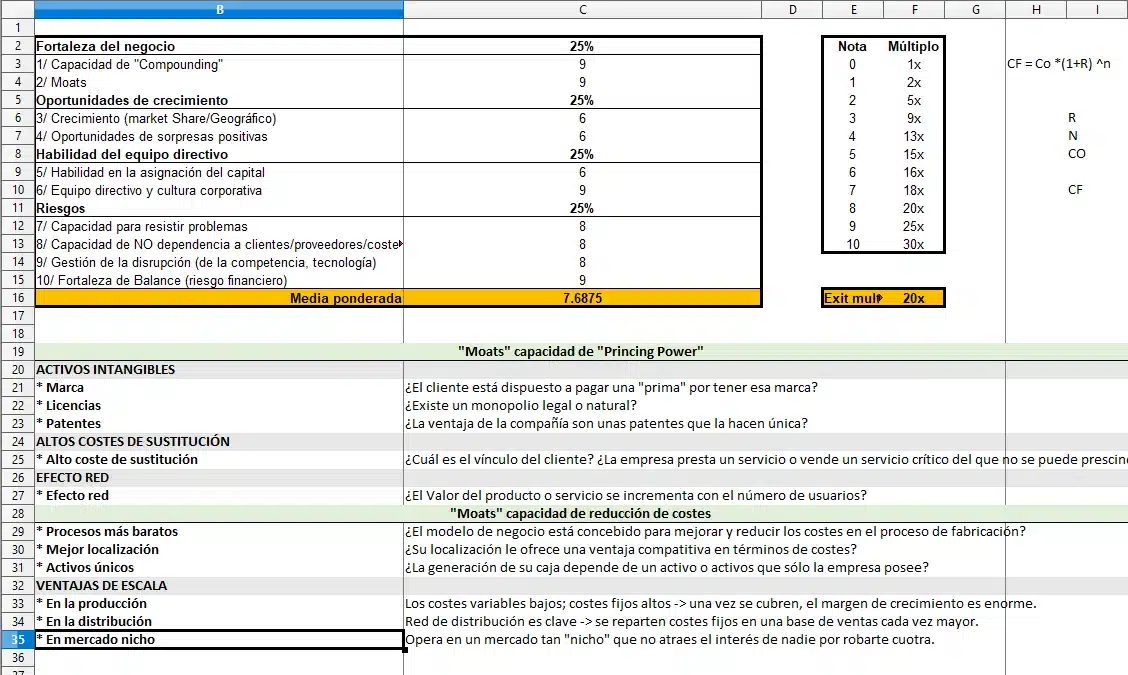
En contraste, el análisis técnico se basa en datos históricos de precios, utilizando herramientas como gráficos e indicadores técnicos.
Entender estas diferencias te ayudará a elegir el enfoque que mejor se adapte a tus necesidades y objetivos de inversión.
¿Cuál es mejor para principiantes?
Facilidad de aprendizaje
Para los que recién empiezan, el análisis técnico puede ser más sencillo de entender. No necesitas ser un genio de las matemáticas para interpretar los datos que se expresan en un gráfico.
No obstante, hacer trading con análisis técnico no es sencillo, supone estudio y mucha práctica. Por otro lado, son muchas las formas de hacer análisis técnico. El trading algorítmico es una forma automatizada de tradear que depende en gran medida de indicadores técnicos, mientas que la operatoria con precio y volumen prescinde prácticamente de ellos. Encontrar la forma de operar que mejor se adapte a tu personalidad no siempre es sencillo.
Recursos disponibles
Hay un montón de recursos disponibles para aprender ambos tipos de análisis. Sin embargo, encontrar información sobre análisis fundamental es más fácil ya que no hay secretos en el mismo.
De hecho puedes aprender análisis fundamental con un par de buenos libros sobre el tema: ‘El inversor inteligente’, ‘El pequeño libro que aún vence al mercado’, o ‘El pequeño gran libro del value investing’ son excelentes libros por donde empezar a familiarizarte con esta metodología de inversión.
Claro que, aprender a través de un libro (o varios libros), no es lo mismo que formarse con un curso de bolsa online (¿Cuáles son los mejores cursos de inversión y trading?).
Con el análisis técnico la cosa es distinta, pues pese a que hay muchos cursos y tutoriales en línea que te enseñan a leer gráficos y usar indicadores, no todo sirve o es recomendable. El análisis técnico es como el arte: hay muchas técnicas, pero la interpretación es personal.
Uno de mis cursos de trading con análisis técnico favoritos es el de Ferran Font, te sugiero mires su canal de YouTube para familiarizarte un poco con este sistema de inversión.
¿Es posible combinar ambos análisis?
Estrategias híbridas
Claro que sí, yo lo hago todo el tiempo con la ayuda de un screener (utilizo Danelfin). Combinar el análisis fundamental y el técnico puede darte una visión más completa del mercado.
Por ejemplo, puedes usar el análisis fundamental para identificar acciones infravaloradas y luego aplicar el análisis técnico para encontrar el mejor momento para comprar. Esta combinación te permite aprovechar lo mejor de ambos mundos.
Casos de éxito
Muchos inversores exitosos utilizan ambos tipos de análisis. Por ejemplo, Warren Buffett se enfoca en los fundamentos de una empresa, pero también considera las tendencias del mercado. Otro caso es el de traders de Forex que analizan las noticias económicas (fundamental) y luego observan los gráficos de precios (técnico) para tomar decisiones.
Consejos para la implementación
- Empieza simple: No trates de dominar todo de una vez. Aprende los conceptos básicos de ambos análisis primero.
- Usa herramientas adecuadas: TIKR y Morningstar son dos de las plataformas de análisis fundamental más conocidas y utilizadas. Por el lado del análisis técnico tenemos a TradingView, una de las plataformas de trading más populares entre quienes hacemos análisis técnico (Puedes ver aquí las mejores herramientas de análisis técnico gratuitas).
- Practica: La práctica hace al maestro. Usa cuentas demo para probar tus estrategias sin arriesgar dinero real.
Errores comunes en el análisis fundamental y técnico
Errores en el análisis fundamental
- Ignorar el contexto macroeconómico: A veces nos enfocamos tanto en los números de una empresa que olvidamos cómo factores externos pueden afectarla.
- Sobrevalorar datos históricos: Creer que el pasado siempre se repetirá puede llevarnos a errores graves.
- No actualizarse: El mercado cambia y lo que era cierto hace un año puede no serlo hoy.
- Subjetividad: Interpretar datos de manera sesgada según nuestras expectativas puede nublar nuestro juicio.
Errores en el análisis técnico
- Parálisis por análisis: Usar demasiados indicadores puede complicar la toma de decisiones.
- Ignorar eventos inesperados: Noticias y eventos imprevistos pueden invalidar patrones técnicos.
- Enfoque limitado: Solo mirar gráficos y no considerar factores fundamentales puede ser un error.
- Profecías auto-cumplidas: Actuar en base a patrones que muchos traders siguen puede hacer que estos se cumplan, pero no siempre por las razones correctas.
Cómo evitarlos
- Diversificar estrategias de inversión: No depender solo de un tipo de análisis.
- Mantenerse actualizado: El mercado cambia y tú también debemos hacerlo.
- Conocer tu perfil de inversor: Saber si eres más de corto o largo plazo te ayudará a elegir mejor.
- Recordar que hacer trading no es invertir: Son enfoques diferentes y debes tratarlos como tal.
Aplicaciones prácticas en el mercado actual
Ejemplos de análisis fundamental
En el análisis fundamental, observamos la salud financiera de una empresa. Por ejemplo, si quieres invertir en acciones de una empresa, revisarás sus estados financieros, como el balance general y el estado de resultados. También considerarás factores externos como la situación económica global y las políticas gubernamentales. Un buen análisis fundamental te ayuda a entender si una empresa tiene potencial de crecimiento a largo plazo.
Ejemplos de análisis técnico
El análisis técnico se enfoca en los movimientos de precios y (usualmente) en su relación con el volumen de transacciones. Lo que se buscan son patrones de continuación de la tendencia o de reversión. Por ejemplo, si vemos que el precio de una acción ha roto una resistencia importante, podríamos considerar que es un buen momento para comprar. El análisis técnico te permite tomar decisiones rápidas basadas en lo que el precio está haciendo ahora.
Cómo elegir el enfoque adecuado
Elegir entre análisis fundamental y técnico depende de tus objetivos y estilo de inversión. Si buscas inversiones a largo plazo, el análisis fundamental puede ser más útil. Por otro lado, si prefieres operaciones a corto plazo, el análisis técnico podría ser más adecuado. Lo ideal es combinar ambos enfoques para tener una visión más completa del mercado.
Preguntas Frecuentes
¿Qué es el análisis fundamental?
El análisis fundamental es el estudio de los datos económicos y financieros de una empresa para determinar su valor real y su potencial de crecimiento a largo plazo.
¿Qué es el análisis técnico?
El análisis técnico se basa en el estudio de los patrones de precios pasados y la actividad del mercado para predecir movimientos futuros.
¿Cuál es la principal diferencia entre el análisis fundamental y el análisis técnico?
La principal diferencia es que el análisis fundamental se centra en datos económicos y financieros, mientras que el análisis técnico se enfoca en patrones de precios y tendencias del mercado.
¿Es posible combinar el análisis fundamental y el análisis técnico?
Sí, es posible combinar ambos análisis. Muchos inversores utilizan estrategias híbridas para aprovechar las ventajas de cada enfoque.
Conclusión
En resumen, no hay una respuesta definitiva sobre si el análisis fundamental o el análisis técnico es mejor. Todo depende de tus objetivos y estilo de inversión.
Si prefieres entender a fondo la salud financiera de una empresa y tienes una visión a largo plazo, el análisis fundamental es para ti. Por otro lado, si te gusta identificar tendencias y aprovechar oportunidades a corto plazo, el análisis técnico será tu mejor aliado.
Lo ideal es combinar ambos enfoques para tomar decisiones más informadas.

Soy Norberto. Llevo más de una década invirtiendo y haciendo trading. También soy el autor del curso de trading Experiencia Topstep. Si quieres aprender a invertir y tienes dudas, escríbeme.
También te puede interesar
¿CÓMO EMPEZAR A INVERTIR EN BOLSA?

QUÉ ES LA BOLSA DE VALORES (Y CÓMO FUNCIONA)
Descubre cómo empezar a invertir en bolsa con esta guía…

LAS MEJORES HERRAMIENTAS DE ANÁLISIS TÉCNICO GRATUITAS
Descubre las mejores herramientas de análisis técnico gratuitas